
Music Therapy for Autism
Table of Contents
1. What Is Music Therapy for Autism?

Music therapy for autism is a clinical, evidence-based intervention that is provided by a trained music therapist who uses music and music-related activities to help individuals work toward specific developmental, behavioral, social, and emotional goals. Unlike music lessons, which tend to focus on the fundamentals of learning an instrument, music therapy is individualized and designed to address each person's unique strengths and needs. Through specially designed activities such as singing, instrument play, movement, songwriting, and various rhythmic exercises, music therapists can help support communication skills, social interaction, emotional regulation, attention, self-expression, and daily functioning. By incorporating a person’s preferred songs, sounds, and musical experiences, music therapy creates an engaging and motivating environment that helps individuals who are neurodiverse build meaningful skills while participating in an activity they truly enjoy.
2. What the Research Says About Music Therapy for Autism
Presently, research suggests that music therapy can offer meaningful benefits for many individuals with autism (as well as many others), particularly in the areas of social engagement, communication, and parent-child interactions. Studies have found that certain structured music-based interventions can increase joint attention, encourage verbal and nonverbal communication, improve social participation, and strengthen relationships between children and their caregivers by creating enjoyable, shared experiences around music.
At the same time, while the findings are promising, researchers also acknowledge important limitations. Many studies involve relatively small sample sizes, use different therapy approaches, or produce mixed results, making it difficult to draw broad conclusions about the effectiveness of music therapy. In addition, the strongest evidence supports improvements during the course of therapy and in the short to medium term, more high-quality research is needed to better understand the long-term effects of music therapy for individuals with autism.
Are you looking for autism social groups or services that go beyond simple social activities?
Autism Behavior Services, Inc.'s Social Groups are dynamic, skill-focused experiences designed for children, teens, or adults. We focus on strengthening communication, executive functioning, emotional regulation, and relationship-building while creating a situation where your loved ones can make genuine interpersonal connections in a supportive setting.
Contact us HERE or give us a call at 855-581-0100 to get started today.
3. How Music Therapy Sessions Typically Work
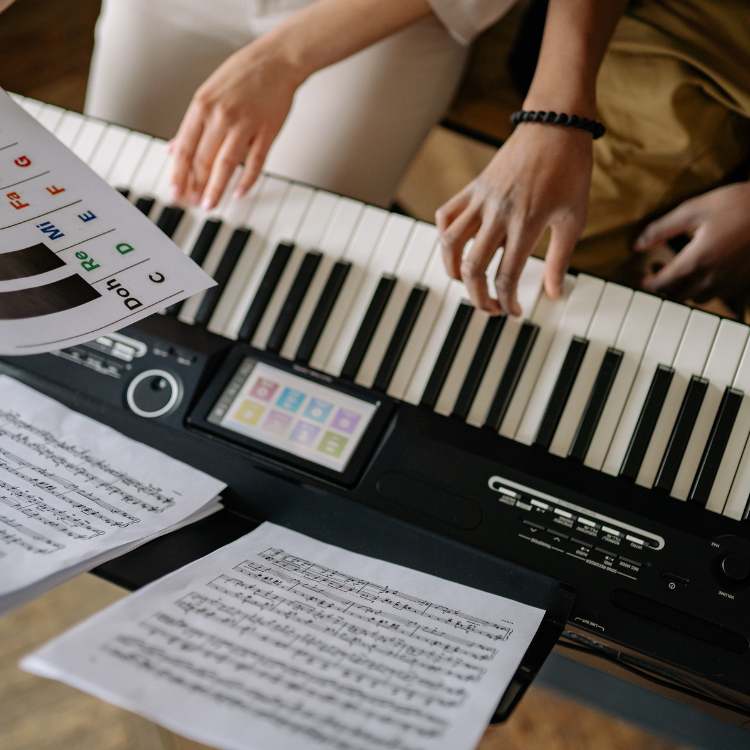
Music therapy sessions for individuals with autism are set up to meet each person's unique strengths, interests, and developmental goals and can be conducted individually or in small groups. Sessions often include a mix of engaging activities such as singing, playing instruments, musical improvisation, movement to music, rhythm exercises, and turn-taking games that encourage people to communicate, interact socially, express themselves emotionally, and work on their motor skill development.
Before therapy begins, the music therapist typically conducts an assessment to identify the abilities, challenges, preferences, and treatment goals of the individual and their family. This allows each session to be tailored to specific needs.
Depending on the treatment plan that is designed, sessions may occur once or several times per week, and caregivers are often encouraged to participate or learn strategies they can continue at home. This will greatly help what is being learned in those sessions become generalized to the person’s behavior. Throughout the therapy process, the therapist monitors the individual’s progress, adjusts goals as needed, and uses ongoing observations and data to ensure the intervention continues to support meaningful growth and functional outcomes.
4. Who Can Benefit and Which Goals Are Often Targeted
While every individual with autism is unique, many children (neurodiverse or neurotypical) can benefit from music therapy when it is tailored to their specific strengths, challenges, and interests. Because autism is defined as a spectrum, responses to music vary widely—some children find the musical activities in sessions highly motivating and calming, while others may have sensory sensitivities or preferences that require even the calmest sessions to be carefully adapted. A qualified music therapist will take these individual differences into account when putting together interventions that align with each person’s needs and goals.
Common areas of focus include improving a person’s joint attention, encouraging self-expression, supporting smoother transitions between various activities, developing fine and gross motor skills, strengthening emotional regulation and endurance, as well as increasing meaningful social participation. By using music as an engaging and individualized therapeutic tool, music therapy has been shown to help many autistic children work on and engage with important life skills in a positive, supportive, and enjoyable environment.
5. How to Choose the Right Music Therapy Program
When exploring options for music therapy for autism, keep in mind that it is important to choose a program led by a board-certified music therapist with experience working with autistic individuals across a variety of ages and support needs. Their experience in this area will be crucial to crafting an effective music therapy program. Families should look for providers who conduct individualized assessments, develop measurable treatment goals, document progress, and collaborate with parents, educators, and other members of the individual’s care team.
Again, this will make what is being taught easier to be generalized. Unlike music classes, which are designed primarily for recreation or musical instruction, music therapy programs use evidence-based interventions to address specific developmental, communication, social, emotional, sensory, cognitive, or motor goals. A strong music therapy program also values family partnership by regularly communicating progress, incorporating caregiver input into treatment planning, and providing practical strategies that can be reinforced at home and in other everyday environments.
6. Costs, Access, and Practical Considerations for Families
The cost and availability of music therapy for autism often varies depending on several factors. These include the music therapist’s qualifications and experience, the length of the music session, geographic location, and whether services are provided individually or in a group setting. Some families may have access to music therapy through schools, community organizations, or healthcare providers, while others may seek these services through private practices.
When evaluating a program, it can be helpful to ask whether an initial assessment or trial session is available, the length of such a trial, how progress will be measured, what realistic timelines can be expected for achieving goals, and how therapy plans are individualized for each participant.
Families should also discuss how music therapy is able to complement existing supports such as ABA therapy, speech therapy, occupational therapy, or school-based services to ensure interventions work together toward shared goals. Taking the time to find a program that aligns with the individual’s needs, interests, and overall treatment plan can help maximize the benefits of music therapy and support meaningful, long-term progress in all areas of a person’s life.
Looking for social groups that go beyond simple social activities? Autism Behavior Services, Inc.'s Social Groups are designed to be dynamic, skill-focused experiences for children, teens, and adults. Participants strengthen communication, executive functioning, emotional regulation, and relationship-building while allowing your child or loved one to make genuine interpersonal connections in an encouraging and engaging setting.
Contact us today at https://autismbehaviorservices.com/services/social-groups/ or give us a call at 1-855-581-0100 to learn more and find the social group that's right for you!
FAQ (Frequently Asked Questions)
Is music therapy for autism evidence-based?
Yes. Research suggests that music therapy for autism may support communication, social interaction, emotional regulation, and other developmental skills when the therapy is provided by a qualified music therapist as part of an individualized treatment plan.
How is music therapy different from music lessons for autistic children?
Music therapy focuses on goals that are therapeutic such as communication, behavior, sensory regulation, and social development, while general music lessons primarily teach musical knowledge and performance skills.
What happens during a music therapy session for autism?
A typical music therapy session can include singing, instrument play, movement, rhythm activities, skill-building exercises, and relaxation techniques that are designed to the individual’s unique goals and abilities. The ultimate goal is through these sessions a person will work on developmental, behavioral, social, and emotional goals.
Can music therapy help with communication and social skills?
For many autistic individuals, music therapy may encourage turn-taking, joint attention, self-expression, and meaningful social interaction through engaging, structured musical experiences. The very nature of how songs are designed often supports all of these interactions.
How do I find a qualified music therapist for autism?
Look for a board-certified music therapist (MT-BC) who has experience working with autistic individuals (or specifically does music therapy for autism), and collaborates with families and other members of the care team to develop individualized treatment goals.
How often should a child attend music therapy sessions?
The ideal frequency of taking part in music therapy sessions depends on the child’s needs, goals, and availability. Many individuals participate in weekly sessions while their music therapist monitors progress and adjusts the treatment plan as needed.
Does insurance cover music therapy for autism?
Insurance coverage for music therapy varies depending on the provider, health plan, and location. Families should contact their insurance provider and the music therapy provider to determine whether services are covered or if alternative funding options are available.
Is music therapy appropriate for non-speaking autistic children?
YES. Music therapy offers meaningful opportunities for participation through rhythm, movement, instrument play, and other nonverbal forms of communication, making it a highly adaptable option for individuals with varying communication abilities. Ultimately, music therapy is appropriate for anyone who may benefit from it.